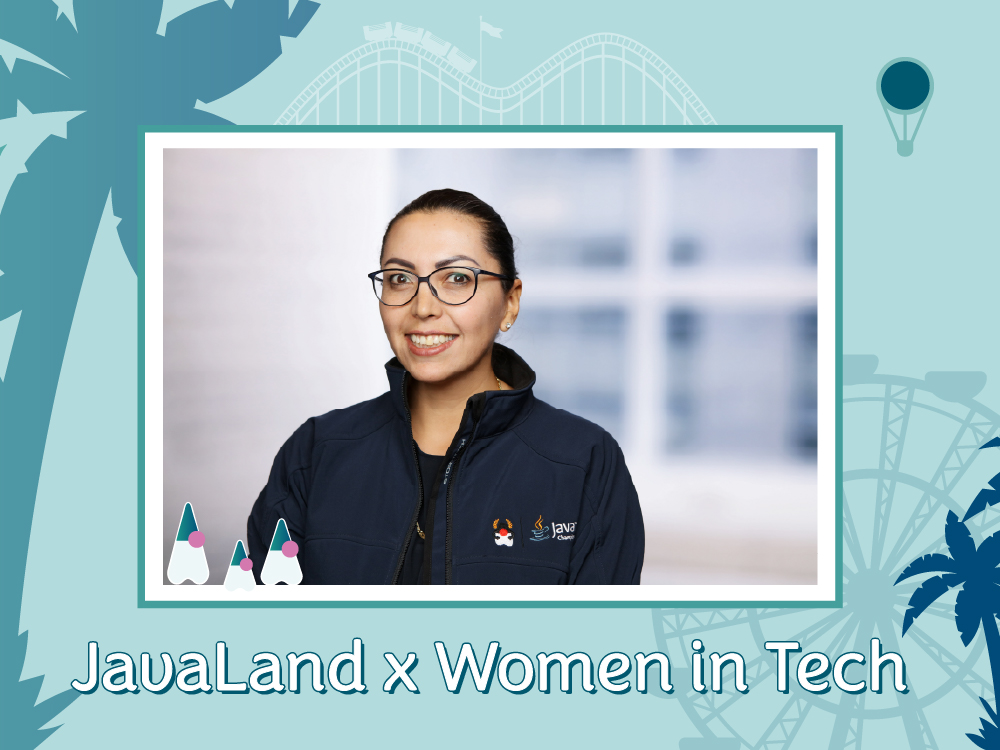
Ixchel Ruiz is a Senior Software Engineer and has been active in the Java and Development communities for years. She is a Java Champion, an Oracle ACE and regularly speaks at conferences all over the world. Aside from Java, dynamic languages, client-sided technologies and tests, there has been one topic she has been particularly passionate about: Women in Tech. We interviewed Ixchel about the movement.
Hi Ixchel, please tell us about the Women in Tech movement. What is it like? Is it an official group or more like a general label for any women in the technology area that speak at conferences? Why is it so important?
The 'Women in Tech' movement is essentially a large-scale global initiative aimed at encouraging more women to enter the tech industry, supporting them in their careers and helping them to thrive. It is not one official organisation with a logo and a headquarters. Rather, it is more of an umbrella term for a variety of groups, events, communities and programmes that all share the same goal: to make tech a space where women belong and can flourish.
What makes it interesting is how broad it is. It involves women in software engineering, data science, cybersecurity, product development, start-ups and leadership. You'll see women in tech speaking at conferences, running workshops, mentoring others, building networks and, quite simply, making their presence felt in spaces where women have historically been ignored or overlooked. This is happening everywhere, from grassroots meetups and nonprofits to schools and companies through DEI initiatives.
So, what is it actually like? A lot of it feels community-driven. There’s a strong 'you're not alone' sense of community. Many spaces are designed to connect women with mentors, sponsors, peers and role models. There is also a strong focus on advocacy, because the movement not only celebrates women in tech, but also highlights the real issues: bias, pay gaps, exclusion, a lack of leadership representation, harassment and the everyday micro-aggressions that make tech exhausting for women.
And lately, there’s been more attention on intersectionality, which is important because not all women experience tech in the same way. Women of colour, LGBTQ+ women and women with disabilities often face different levels of barriers, and the movement is slowly but surely getting better at acknowledging these realities.
The reason this movement matters is pretty straightforward: women are still underrepresented in tech, particularly in leadership roles. This is not only unfair, it's also a loss for companies, who miss out on talent, creativity, and perspective when they build teams that all look the same. Diverse teams tend to innovate better, create stronger products, and so on.
What does a Women in Tech activity at a conference look like? What do you do? How do you find each other and get together?
The Women in Tech activities at a conference essentially serve as a visible 'signal' and gathering point. They make it clear that people can come and talk to them, and that they are there to connect with others, provide support, and help make the conference feel safer and more welcoming.
It's not that other attendees, speakers or organisers don't want a respectful environment. It's just that Women in Tech activities create a clear, explicit invitation.
You’re not alone here. You can approach us. We’re intentionally building a better space.
By joining these community activities or following people who openly support the cause, you can quickly find:
- friends, not just contacts
- Allies, not just “nice people”.
- Supporters who take inclusion seriously, not just people who say the right things.
These activities are powerful because they transform a large conference into a smaller, safer community that you can easily navigate.
What are the most notable differences nowadays compared to when you first started getting involved?
One of the most notable differences today is the increased visibility and openness surrounding diversity and inclusion in tech. Compared to when I first became involved, there is now a much stronger and more vocal presence of speakers, organisers and attendees who actively advocate creating inclusive spaces. People are more willing to openly discuss the social and human aspects of software development, such as collaboration, empathy and community building, rather than focusing solely on technical skills. This shift has helped to foster a more supportive environment in which diverse voices are heard and valued, making the tech community more welcoming and connected than ever before.
How can people get involved in or support this movement?
1) Start with your own experience.
One of the most powerful things you can do to support women in tech is to share your story honestly. Not the polished 'success story' version, but the real one. The awkward beginnings, the imposter syndrome, the victories you had to fight for and the moments when you almost gave up all matter.
Whether you're a woman in tech or an ally, your story could open doors for someone else. When people see the various routes into tech, the sector becomes more accessible and welcoming.
Share your story wherever you already have a voice: at meetups, on LinkedIn, in a blog post, or in a team meeting. And what about when the women around you hit milestones? Say it out loud! Celebrate their achievements as if they're normal, because they should be.
2) Bring someone with you!
Movements grow when we stop going alone.
If you're going to a Women in Tech event, invite a friend or colleague. Bring a junior teammate. Bring someone who’s curious but nervous. Simply saying “come with me” can mean the difference between someone feeling excluded or finally feeling like they belong.
When they arrive, don't just leave them to it. Introduce them! Draw them into conversations. Make it easy for them to stay.
3) Be a real ally.
Women shouldn’t have to carry this movement alone. Allies matter a lot, but not passive ones. The real kind.
Being an ally means listening without getting defensive and noticing who gets interrupted in meetings, who gets credit and who gets ignored. It means calling out bias when you see it, even when it's uncomfortable. It's supporting women when they're not present.
If you're in a position to do so, mentor women. Sponsor them. Recommend them for opportunities. Push for inclusive policies. Make sure they look good in practice, not just on paper.
4) Be yourself, just be more vocal about it!
You don't need to be a keynote speaker or a high-profile leader to make a difference. Sometimes, it's as simple as being visibly supportive and speaking up more than usual.
Wear the badge. Share the post. Drop the resource in your team chat. Start the conversation. Be the person who normalises talking about diversity, inclusion and equity, without rolling your eyes or whispering.
Because visibility is powerful. When people see support openly, it makes the space safer for others to speak up too.
Thank you for the interview, Ixchel!
You can look forward to a series of interviews of the female speakers at JavaLand in the upcoming weeks.